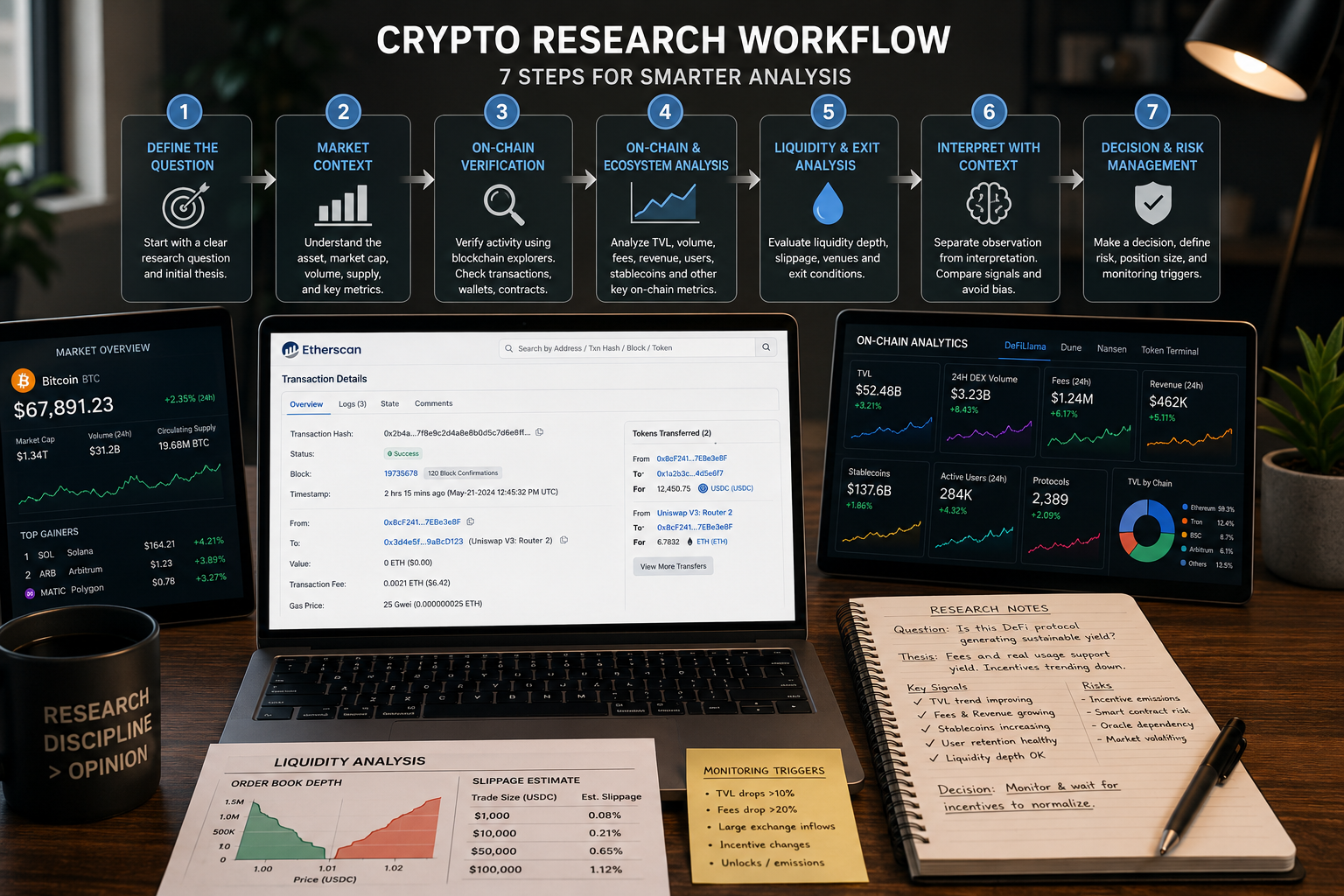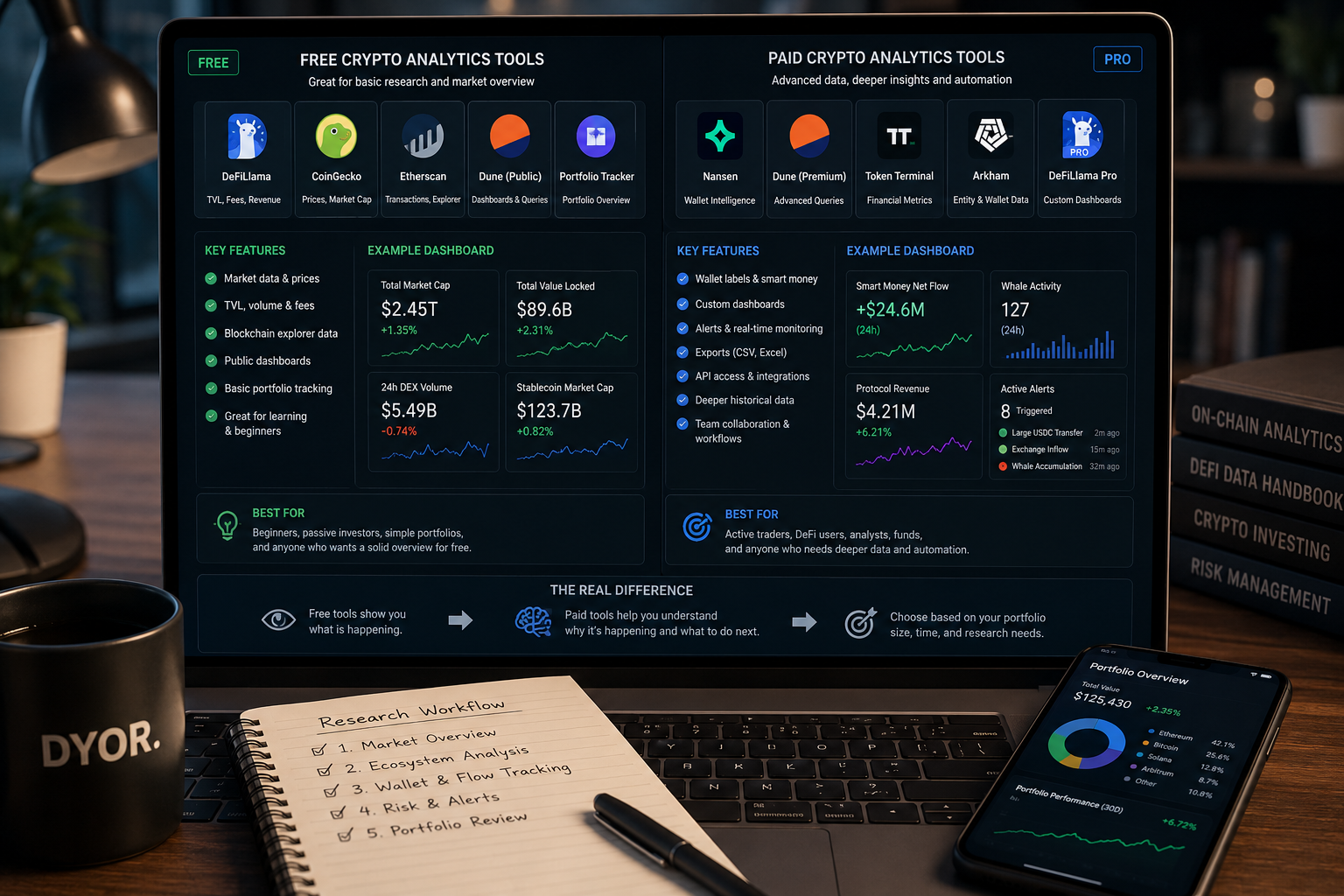
Free vs paid crypto analytics tools are not separated only by price.
They are separated by workflow.
A free dashboard can be enough for a beginner who wants to check TVL, token prices, stablecoin supply, or simple DeFi activity. A paid platform may be more useful for an active investor who needs wallet labels, alerts, custom dashboards, exports, API access, historical data, smart money flows, or faster research.
The mistake is thinking that paid automatically means better.
It does not.
The better question is:
Which tool helps you make a better decision than you could make without it?
Some investors pay for tools they barely use. Others avoid paid platforms even when their portfolio size, trading frequency, or DeFi exposure justifies better data. Both mistakes can be expensive.
This article compares free and paid crypto analytics tools from a practical investor perspective.
The goal is not to rank every dashboard.
The goal is to understand what is actually worth paying for, when free tools are enough, and how to avoid tool overload.
Table of Contents
What Free Crypto Analytics Tools Usually Do Well
Free crypto analytics tools are useful because they make basic market and on-chain data accessible.
For many investors, free tools already cover the first layer of research.
They can help track:
- Token prices.
- Market cap.
- Trading volume.
- TVL.
- Stablecoin supply.
- DEX volume.
- Protocol fees.
- Basic wallet activity.
- Blockchain explorer data.
- Public dashboards.
- Protocol rankings.
- Simple portfolio views.
DeFiLlama is a strong example. It tracks TVL, revenue, fees, volume, and yields across more than 7,000 DeFi protocols on more than 500 chains, and many of its core dashboards are available freely.
Dune is another example of a tool with a strong free research layer. Its documentation describes the platform as crypto data infrastructure covering more than 100 blockchains, with tools for querying and visualizing on-chain data.
For beginners, free tools are often enough to learn the basics.
They help answer questions like:
- Is a protocol’s TVL rising or falling?
- Which chains have the most DeFi liquidity?
- Is DEX volume growing?
- Which tokens are trading actively?
- What happened in a specific transaction?
- Which protocols generate fees?
- How is stablecoin supply changing?
This is why BlockCodex’s guide on “Best On-Chain Analytics Tools for Beginners“ starts with accessible tools before moving into advanced analytics.
Free tools are not weak.
They are the foundation.
Where Free Tools Start to Become Limited
Free tools become limited when the research question becomes more specific.
Basic dashboards are good for broad observation. They are less useful when investors need speed, customization, alerts, exports, wallet labeling, deeper historical data, or team workflows.
Free tools may be limited by:
- Slower queries.
- Public dashboards only.
- Limited exports.
- Limited historical depth.
- Fewer alerts.
- Less wallet intelligence.
- Fewer labels.
- Lower API access.
- Limited custom dashboards.
- Less automation.
- No advanced support.
- Limited private research workflows.
This matters because serious crypto research is not only about seeing data.
It is about turning data into a repeatable process.
For example, a free dashboard may show that TVL increased. But a paid or advanced workflow may help track whether the increase came from sticky deposits, whale movement, stablecoin inflows, protocol incentives, or specific wallet clusters.
That difference matters more as portfolio size and complexity increase.
A casual investor may not need that depth.
An active DeFi user, analyst, fund, trader, or serious on-chain investor might.
What Paid Crypto Analytics Tools Usually Add
Paid crypto analytics tools are useful when they improve research speed, depth, customization, or decision quality.
They often add:
- Advanced dashboards.
- Custom alerts.
- Wallet labels.
- Smart money tracking.
- Private dashboards.
- API access.
- Data exports.
- Spreadsheet integrations.
- Faster query performance.
- More historical data.
- Team collaboration.
- Advanced filtering.
- Entity-level intelligence.
- Automated monitoring.
- Better workflow integration.
The value is not just more charts.
The value is better research execution.
For example, DeFiLlama Pro adds premium features such as custom dashboards, LlamaAI, Excel and Google Sheets integrations, and advanced tools beyond the free analytics layer.
Nansen’s paid plan is positioned around premium wallet intelligence and on-chain investor workflows, with its Pro plan listed at $49 per month annually or $69 per month monthly in Nansen Academy materials.
Dune’s pricing page shows paid plans with monthly credits and additional credit pricing, which matters for users who need heavier query usage, exports, or more advanced workflows.
Token Terminal positions its paid products around standardized on-chain data, financial metrics, customizable datasets, CSV or Excel downloads, API access, and support for analysts and teams.
Paid tools are most useful when the investor has a clear workflow.
Without that workflow, paying for more dashboards can become noise.
1. Data Coverage: Free Tools Are Broad, Paid Tools Are Often Deeper
The first difference is data coverage.
Free tools often provide broad coverage across many chains, protocols, and assets. This is useful for market scanning and comparison.
Paid tools often go deeper.
They may provide richer labels, advanced filters, historical datasets, API endpoints, entity mapping, or standardized metrics that are harder to collect manually.
For example, DeFiLlama can be excellent for checking TVL, fees, revenue, stablecoins, volume, and yields across the DeFi market. That is already powerful for free research.
But a more advanced investor may want to export data, create a custom watchlist, automate tracking, or combine data across multiple protocols. That is where paid features can become useful.
The key question is:
Do you need to observe the market, or do you need to build a research system?
If you are observing, free tools may be enough.
If you are building a system, paid tools may save time.
2. Wallet Intelligence: Paid Tools Can Add Context Free Tools Miss
Wallet intelligence is one of the clearest reasons some investors pay for crypto analytics.
Free explorers can show transactions.
But they often do not explain who may be behind the wallet.
Paid wallet intelligence tools can add labels, entity context, smart money tracking, fund flows, wallet clusters, and behavior analysis.
Nansen describes itself as an on-chain investor tool for analyzing wallet flows, tracking key metrics, and trading with on-chain data.
That kind of context can help answer questions such as:
- Are large wallets accumulating?
- Are labeled funds exiting?
- Are smart money wallets rotating sectors?
- Are stablecoins moving into a chain?
- Are exchange wallets receiving large deposits?
- Are treasury wallets active?
- Are early users interacting with a new protocol?
This is harder to do with free tools alone.
However, wallet intelligence can also be misused.
A smart money label is not a guaranteed signal. A whale transfer is not automatically bullish or bearish. Wallet movements need context.
For deeper interpretation, see BlockCodex’s guide on “How to Analyze Whale Activity“.
Wallet intelligence is worth paying for only if the investor knows how to interpret flows.
3. Custom Dashboards: Paid Tools Help Build Repeatable Research
Custom dashboards are useful when investors track the same metrics repeatedly.
A beginner may open a few free dashboards manually.
An active investor may want a single view showing:
- Chain TVL.
- Stablecoin inflows.
- DEX volume.
- Fees and revenue.
- Wallet flows.
- Yield exposure.
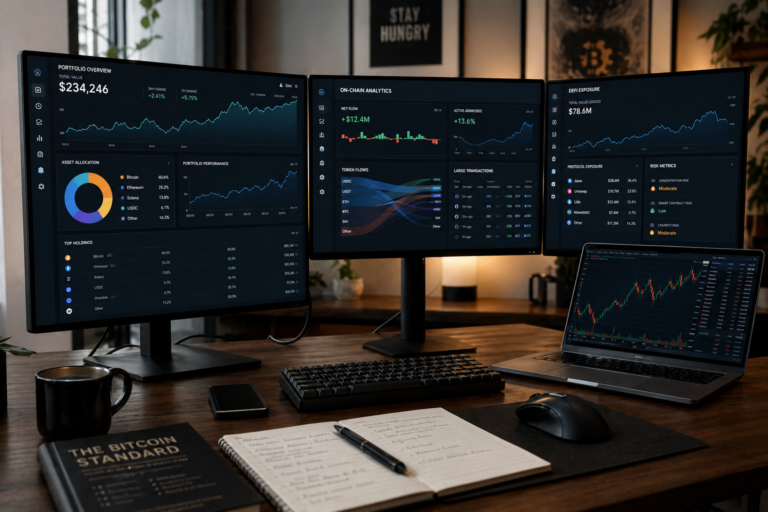
- Portfolio allocation.
- Risk alerts.
- Protocol watchlists.
Paid tools often make this workflow easier.
DeFiLlama Pro promotes custom no-code DeFi dashboards that combine TVL, fees, volume, and protocol metrics into personalized analytics views.
Dune also supports dashboards and blockchain data querying, making it useful for users who want to build custom views instead of relying only on ready-made charts.
The value of custom dashboards is consistency.
They reduce random browsing.
They help investors compare the same signals over time.
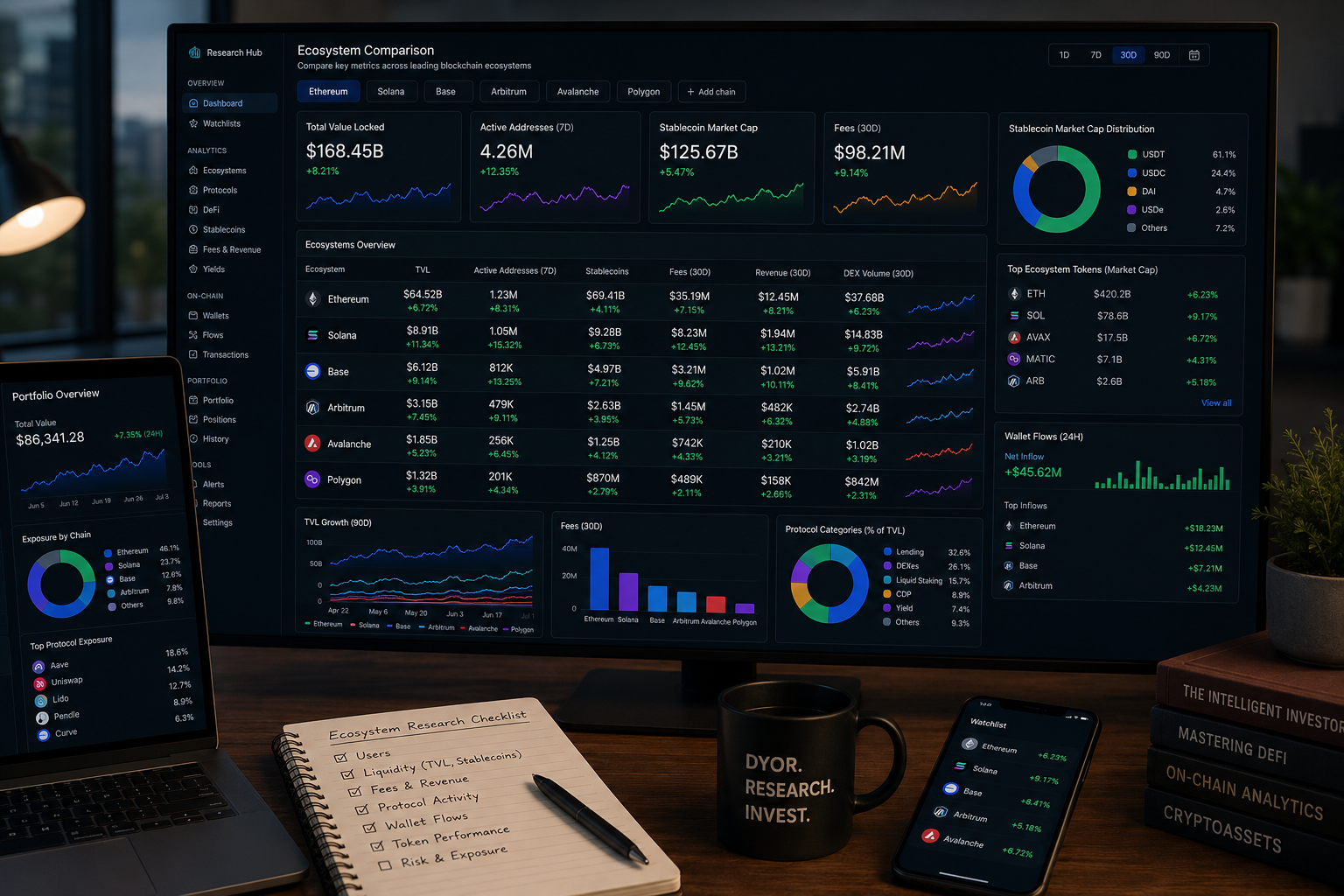
For BlockCodex’s strategy, this connects naturally with “Best Crypto Research Tools for Comparing Blockchain Ecosystems“, because ecosystem comparison becomes more useful when the same metrics are tracked consistently.
A dashboard is not valuable because it looks advanced.
It is valuable when it improves repeated decision-making.
4. Alerts and Monitoring: Paid Tools Can Save Time
Free tools usually require manual checking.
Paid tools often add alerts, monitoring, scheduled reports, or integrations.
This matters because crypto moves continuously.
Investors may want alerts for:
- Large wallet movements.
- Exchange inflows.
- TVL drops.
- Stablecoin outflows.
- Protocol revenue changes.
- Yield changes.
- Token unlocks.
- Liquidity risk.
- Smart money activity.
- Portfolio drawdowns.
- Suspicious wallet behavior.
Manual checking works for occasional research.
It becomes inefficient when exposure grows across many wallets, chains, and protocols.
Paid monitoring can be useful when it prevents missed risk.
But alerts can also create noise.
A useful alert is tied to a decision.
A bad alert only creates anxiety.
Before paying for alerts, investors should define what they will do when the alert triggers.
If the alert does not change behavior, it may not be worth paying for.
5. Exports, APIs, and Spreadsheets Matter for Serious Workflows
Exports and APIs are boring, but they matter.
They are often the difference between casual research and serious analysis.
Paid tools may allow users to export CSV files, connect data to spreadsheets, access APIs, or build automated workflows.
Token Terminal’s pricing materials mention features such as customized datasets, CSV and Excel downloads, REST API access, and raw or decoded multichain data options.
DeFiLlama’s Pro and API materials also describe premium features and API subscriptions for enhanced DeFi analytics, including integrations with Excel and Google Sheets.
This matters for:
- Analysts.
- Funds.
- Researchers.
- Content creators.
- Data-driven investors.
- Teams managing multiple portfolios.
- Users building dashboards or reports.
For a casual investor, exports may not matter.
For someone publishing research or managing a serious portfolio, exports can save hours.
This is where paid tools become less about “better data” and more about workflow efficiency.
6. Free Tools Are Enough When the Portfolio Is Simple
Not every investor needs paid analytics.
Free tools may be enough when:
- The portfolio is small.
- The investor holds mostly large-cap assets.
- DeFi exposure is limited.
- Research is occasional.
- The investor is still learning.
- There is no need for alerts.
- There is no need for wallet labels.
- There is no need for exports or APIs.
- The investor uses mostly public dashboards.
A simple free stack can include:
- DeFiLlama for TVL, fees, revenue, stablecoins, and yields.
- CoinGecko for market data.
- Etherscan or other explorers for transaction checks.
- Dune public dashboards for custom community analytics.
- A basic portfolio tracker for exposure visibility.
This is enough for many users.
For a beginner, paying too early can create confusion.
The better path is to learn what each metric means first.
Then pay only when a free workflow becomes too slow, limited, or incomplete.
7. Paid Tools Are Worth It When They Reduce Real Risk or Save Real Time
Paid crypto analytics tools become worth it when they solve a real problem.
They may be worth paying for when:
- The portfolio is large enough to justify better monitoring.
- DeFi exposure is spread across multiple protocols.
- Wallet flows matter to the strategy.
- Alerts can prevent missed risk.
- Exports save meaningful time.
- Custom dashboards support repeated decisions.
- Paid data improves research quality.
- API access supports a workflow.
- The investor actively compares ecosystems or protocols.
- The tool helps avoid a costly mistake.
A paid tool is not worth it because it feels professional.
It is worth it if it improves decisions enough to justify the cost.
The simplest test is:
Would this tool help me avoid mistakes, save time, or make better decisions more often than its monthly cost?
If the answer is no, free tools are enough.
If the answer is yes, a paid tool may be justified.
Free vs Paid Crypto Analytics Tools by Use Case
Different investors need different tools.
| Use Case | Free Tools May Be Enough When | Paid Tools May Be Worth It When |
|---|---|---|
| Token research | You only need price, volume, and market cap. | You need advanced market and liquidity data. |
| DeFi analysis | You check TVL, fees, and yields occasionally. | You track many protocols or need custom dashboards. |
| Wallet tracking | You check transactions manually. | You need wallet labels, alerts, and flow tracking. |
| Ecosystem comparison | You compare chains casually. | You need repeatable dashboards and exports. |
| Portfolio monitoring | You hold a simple portfolio. | You manage multi-chain DeFi exposure. |
| Research publishing | You cite public dashboards. | You need exports, historical data, and clean workflows. |
| Risk management | You monitor occasionally. | You need alerts and faster detection of changes. |
This is the practical point:
Free tools are good for learning and occasional research.
Paid tools are better when research becomes frequent, complex, or risk-sensitive.
Best Free Crypto Analytics Stack
A strong free stack could include:
DeFiLlama
Use it for TVL, stablecoins, fees, revenue, yields, DEX volume, and protocol comparison.
CoinGecko
Use it for price, market cap, volume, supply, categories, and market context.
Etherscan and Other Explorers
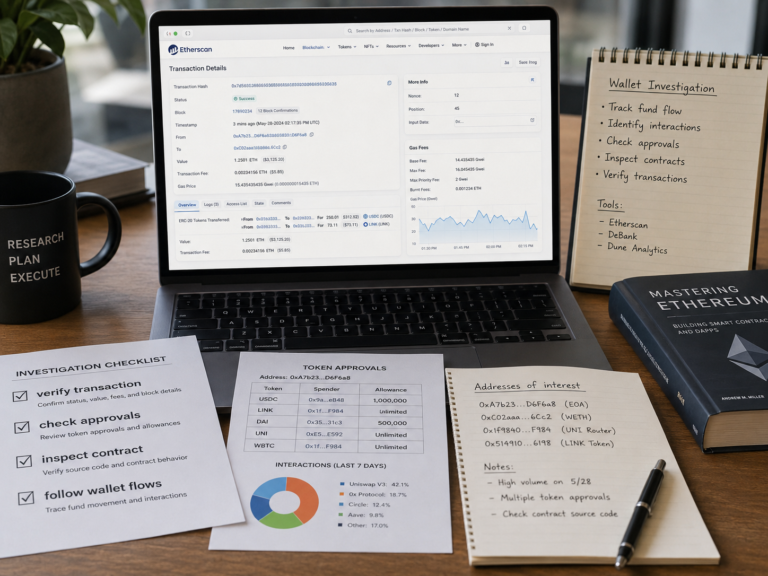
Use explorers for transactions, wallet balances, token transfers, contract verification, and approvals.
Dune Public Dashboards
Use public dashboards for ecosystem, protocol, token, and sector analysis.
Basic Portfolio Trackers
Use portfolio trackers to see wallet balances and DeFi exposure.
This stack is enough for beginners and many intermediate investors.
It also supports the kind of research workflow covered in BlockCodex’s Best Crypto Portfolio Tracking Setups.
The key is to avoid jumping into paid tools before understanding the free data.
Best Paid Crypto Analytics Features to Consider
If an investor decides to pay, the most useful features are usually not the flashy ones.
They are the features that improve workflow.
Look for:
- Wallet labels.
- Smart money tracking.
- Custom alerts.
- CSV or Excel exports.
- API access.
- Custom dashboards.
- Historical data.
- Private dashboards.
- Advanced filters.
- Portfolio monitoring.
- Team access.
- Reliable data documentation.
Do not pay only for a nicer interface.
Pay for data access, automation, better context, or time savings.
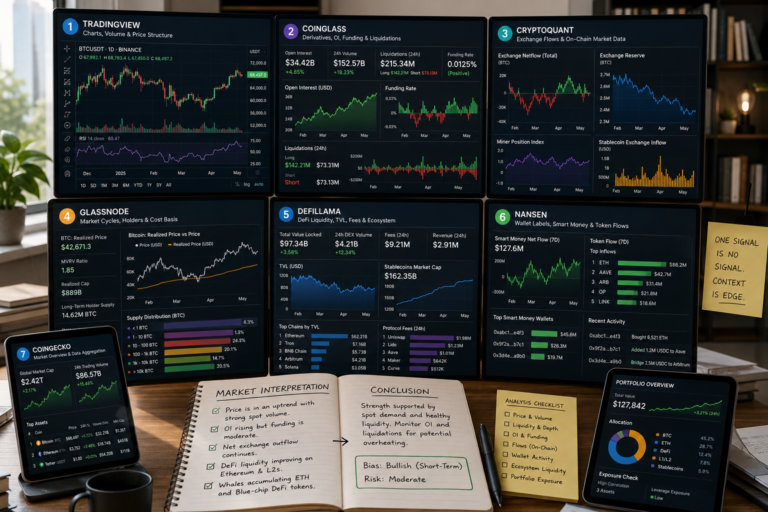
For example, Nansen may be useful for wallet intelligence. Dune may be useful for custom dashboards and querying. Token Terminal may be useful for standardized protocol fundamentals. DeFiLlama Pro may be useful for advanced DeFi dashboards and integrations.
The right paid tool depends on the workflow.
How to Decide Whether a Paid Tool Is Worth It
Use this checklist before paying.
| Question | Why It Matters |
| What decision will this tool improve? | Avoid paying for vague value. |
| How often will I use it? | Frequent use justifies cost more easily. |
| Does it replace manual work? | Time savings can be valuable. |
| Does it reduce risk? | Alerts and monitoring can matter. |
| Does it provide unique data? | Data uniqueness supports value. |
| Can I get the same insight for free? | Avoid unnecessary subscriptions. |
| Is my portfolio large enough? | Tool cost should match exposure. |
| Does it support exports or alerts? | Workflow features often matter most. |
| Will it improve my research quality? | Better decisions justify payment. |
If the tool does not pass this checklist, do not pay yet.
Start with free tools and upgrade later.
Common Mistakes With Crypto Analytics Subscriptions
Mistake 1: Paying Before Having a Workflow
If you do not know what you are tracking, a paid dashboard will not fix the problem.
Mistake 2: Confusing More Data With Better Decisions
More charts can create more confusion.
The goal is better questions.
Mistake 3: Paying for Tools That Overlap Too Much
Several platforms may show similar TVL, fees, or token data.
Avoid duplicate subscriptions.
Mistake 4: Ignoring Free Alternatives
Some free dashboards are strong enough for most users.
Mistake 5: Using Paid Tools as Trade Signals
Analytics tools provide evidence.
They do not remove judgment.
Mistake 6: Forgetting Portfolio Size
A $70 monthly tool may be reasonable for a large active portfolio, but excessive for a small passive portfolio.
Mistake 7: Not Reviewing Subscriptions
Cancel tools that are not used consistently.
A tool should earn its place in the workflow.
Final Thoughts
Free vs paid crypto analytics tools should be judged by usefulness, not status.
Free tools can already provide strong research value. DeFiLlama, CoinGecko, explorers, public Dune dashboards, and basic portfolio trackers can help investors understand prices, TVL, stablecoins, fees, volume, transactions, and exposure.
Paid tools become more useful when research becomes more demanding.
Wallet labels, smart money tracking, alerts, exports, APIs, custom dashboards, and private workflows can save time and improve decision quality for active investors.
But paying for a tool does not automatically make the research better.
The best approach is simple:
Start free.
Build a repeatable workflow.
Identify the missing layer.
Pay only when the tool clearly improves decisions, saves time, or reduces risk.
That is what makes a crypto analytics tool worth it.