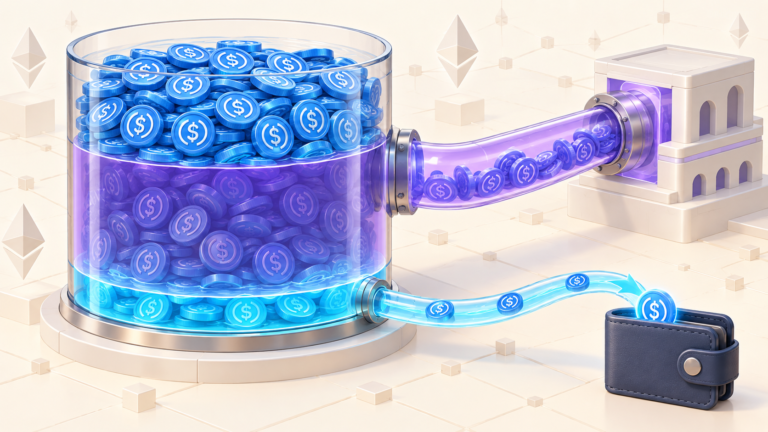
Learning how to check stablecoin liquidity in DeFi means looking beyond TVL, deposited value or the APY shown on a…
Author: Blockcodex
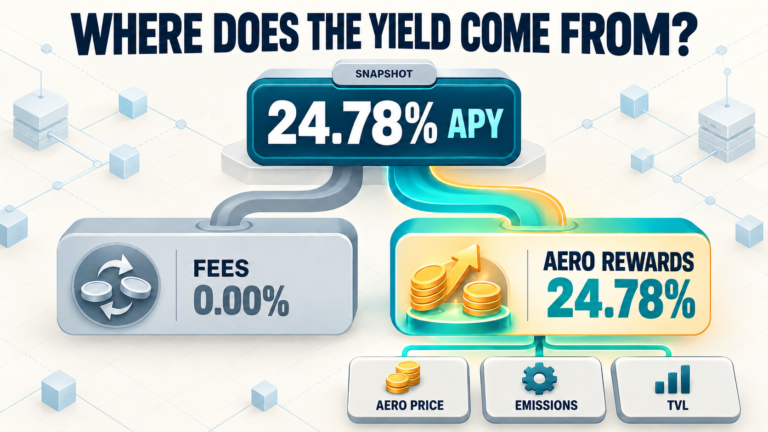
DeFi Yield Fees vs Emissions: How to Identify the Real Source
DeFi yield fees vs emissions is the first distinction to make before treating an advertised APY as economic return. Two…
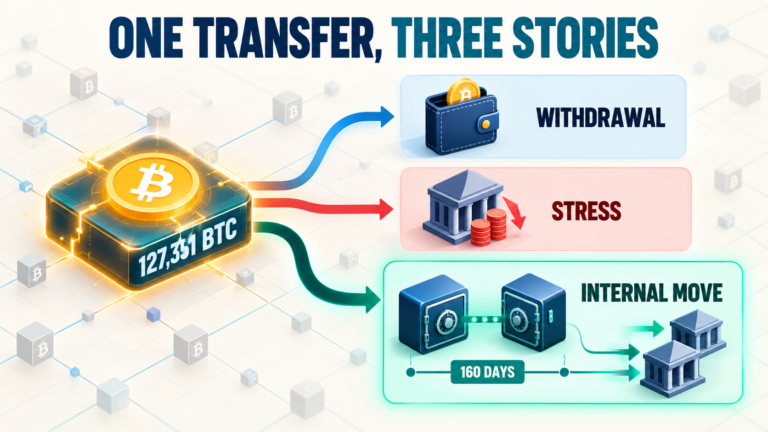
Whale Transfer Analysis: One Transfer, Three Possible Stories
Whale transfer analysis begins with an uncomfortable fact: a blockchain records movement, not motive. On November 28, 2022, one Bitcoin…
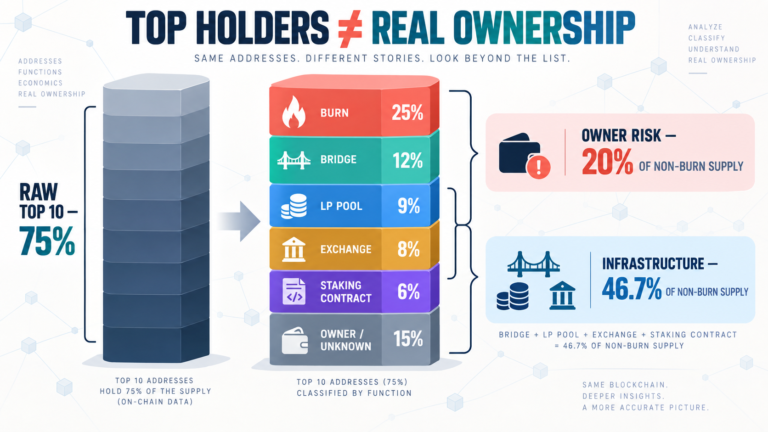
Token Holder Concentration in Crypto: Top Holders vs Real Ownership
Token holder concentration in crypto is often summarized with one number: the percentage of supply held by the top ten…
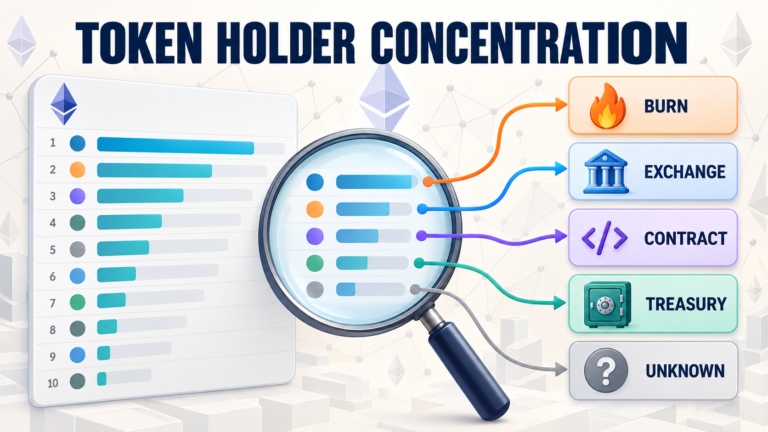
Check Token Holder Concentration on Etherscan Before Buying
Check token holder concentration on Etherscan before buying an ERC-20 token, but do not stop at the percentages in the…
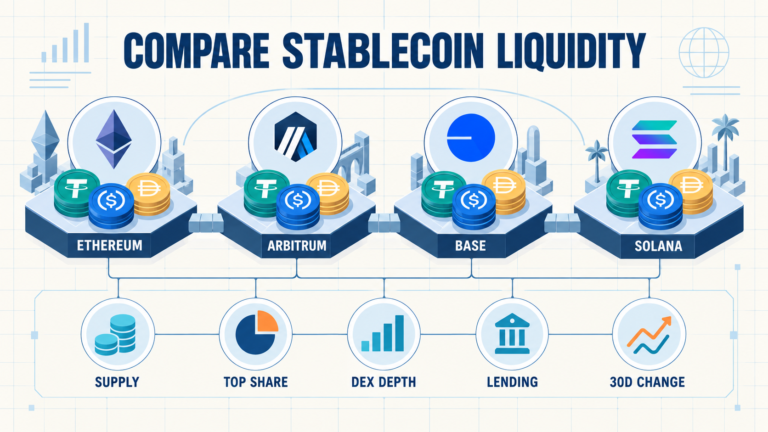
How to Compare Stablecoin Liquidity Across Blockchains
Compare stablecoin liquidity across blockchains by measuring more than the number shown beside “stablecoin market cap.” Supply establishes how much dollar-like…
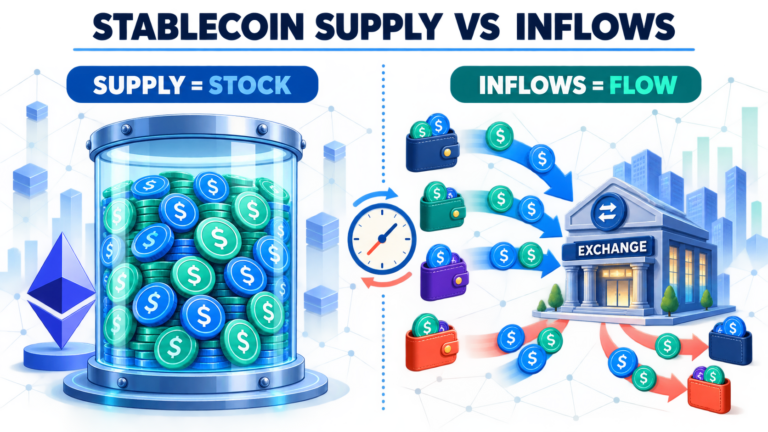
Stablecoin Supply vs Stablecoin Inflows: What Is the Difference?
Stablecoin supply vs inflows is a comparison between a stock and a flow. Supply measures how much stablecoin value exists on…

Crypto Growth After Incentives: How to Tell Whether a Crypto Ecosystem Kept Its Users
Crypto growth after incentives is difficult to measure from headline participation figures alone. When Optimism Quests ended on January 17,…
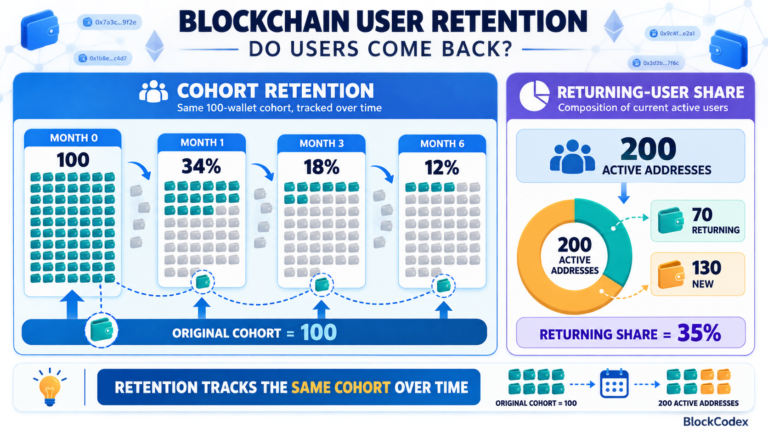
How to Measure Blockchain User Retention in an Ecosystem
A blockchain can attract hundreds of thousands of addresses during a launch, incentive campaign or speculative cycle. That number looks…
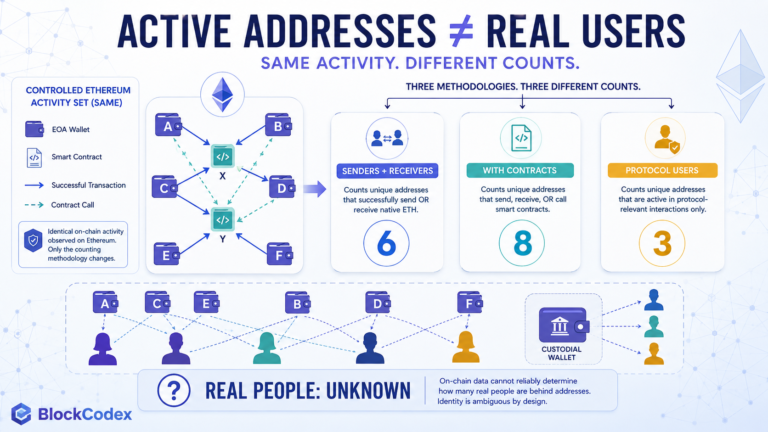
Active Addresses vs Real Users in Crypto: What the Numbers Miss
Active addresses are one of the most widely used measures of blockchain adoption. When the number rises, the usual conclusion…