Choosing among the best hardware wallets is not simply a matter of brand preference—it directly impacts private key security, transaction verification, and long-term asset protection.
While many comparisons focus on features or popularity, the real difference between Ledger vs alternatives lies in how each device handles security at a structural level.
This guide analyzes the best hardware wallets through a practical lens, focusing on:
- real-world attack surfaces
- private key storage
- transaction signing
- firmware architecture
Hardware Wallet Comparison (2026)
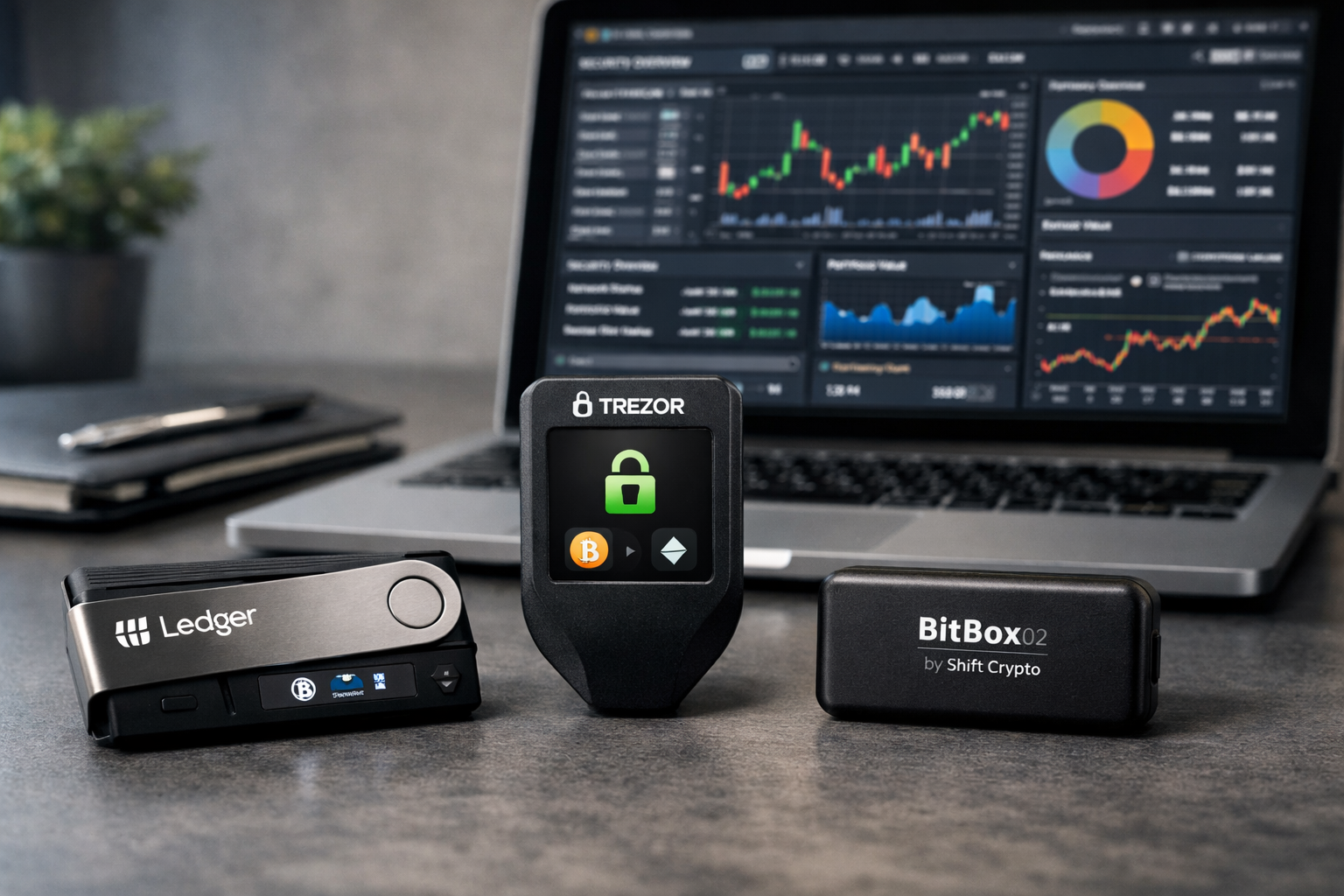
| Feature | Ledger | Trezor | BitBox02 | Coldcard | Keystone |
|---|---|---|---|---|---|
| Security Model | Secure Element | Open-source | Open-source | Air-gapped | Air-gapped |
| Connectivity | USB / Bluetooth | USB | USB | MicroSD / Air-gap | QR only |
| Transparency | Partial | Full | Full | High | High |
| Ease of Use | High | High | Medium | Advanced | Advanced |
| Asset Support | Multi-chain | Multi-chain | Multi-chain | Bitcoin only | Multi-chain |
What Defines a Hardware Wallet
A hardware wallet is a physical device designed to isolate private keys from internet-connected environments.
Unlike hot wallets:
- keys never leave the device
- transaction signing occurs offline
- exposure to malware is significantly reduced
However, implementation differences matter, especially when comparing Ledger vs alternatives.
Security Architecture: Ledger vs Alternatives
The debate around Ledger vs alternatives revolves around two core approaches:
Ledger: Secure Element-Based Design
Ledger devices rely on secure element chips, similar to those used in payment systems.
Key characteristics:
- certified tamper-resistant hardware
- restricted firmware execution
- partial closed-source architecture
👉 This design prioritizes physical attack resistance.
Alternatives: Open-Source Architecture
Devices such as Trezor and BitBox02 follow a different philosophy:
- fully open-source firmware
- transparent security model
- reliance on standard microcontrollers
👉 This approach prioritizes auditability and transparency.
Key Trade-Offs in Hardware Wallet Security
Understanding the best hardware wallets requires recognizing key trade-offs:
🔐 Physical Security vs Transparency
- Secure elements → stronger protection against extraction
- Open-source → verifiable security assumptions
⚡ Convenience vs Isolation
- USB / Bluetooth → easier usage
- Air-gapped → reduced attack surface
🧩 Simplicity vs Advanced Security
- simple interfaces → fewer user errors
- advanced setups → higher protection but more complexity
Private Key Management Differences
Across the best hardware wallets, key management varies significantly:
Seed Generation
- device-generated entropy
- optional external randomness
Backup Methods
- standard seed phrase
- encrypted backups (e.g., microSD)
- multi-signature setups
Passphrase Protection
Adding a passphrase creates hidden wallets and adds a critical layer of protection.
Which Hardware Wallet Should You Choose in 2026?
Choosing among the best hardware wallets depends on your profile:
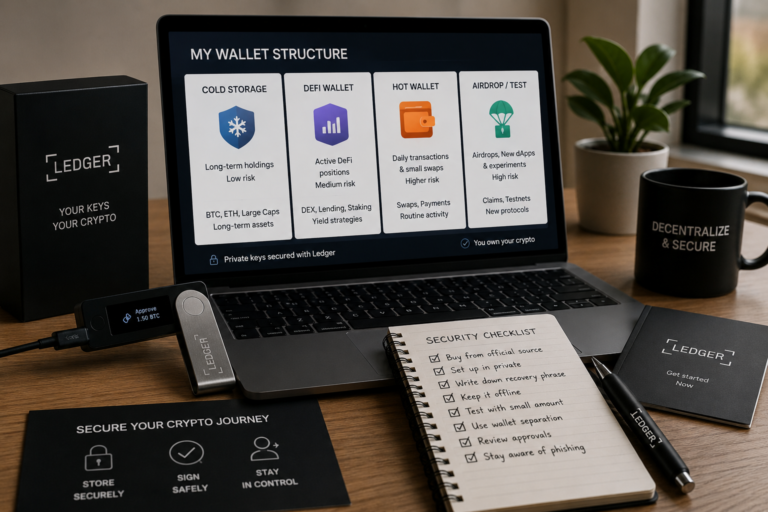
- Ledger devices → best for users seeking strong physical security and multi-asset support
- Trezor and open-source wallets → ideal for users who prioritize transparency and auditability
- Coldcard and Keystone → suited for advanced users needing maximum isolation and air-gapped security
👉 For most users, the best hardware wallet is one that balances security, usability, and reliable backup practices.
Tool Spotlight
Ledger
Among the best hardware wallets, Ledger offers a widely adopted ecosystem.
Key advantages:
- secure element-based protection
- integration with Ledger Live
- support for multiple blockchains
👉 This makes Ledger particularly suitable for diversified portfolios.
Advanced Insight: Security Is a System, Not a Device
Focusing only on hardware wallets can be misleading.
Real security depends on:
- seed phrase storage
- user behavior
- transaction verification
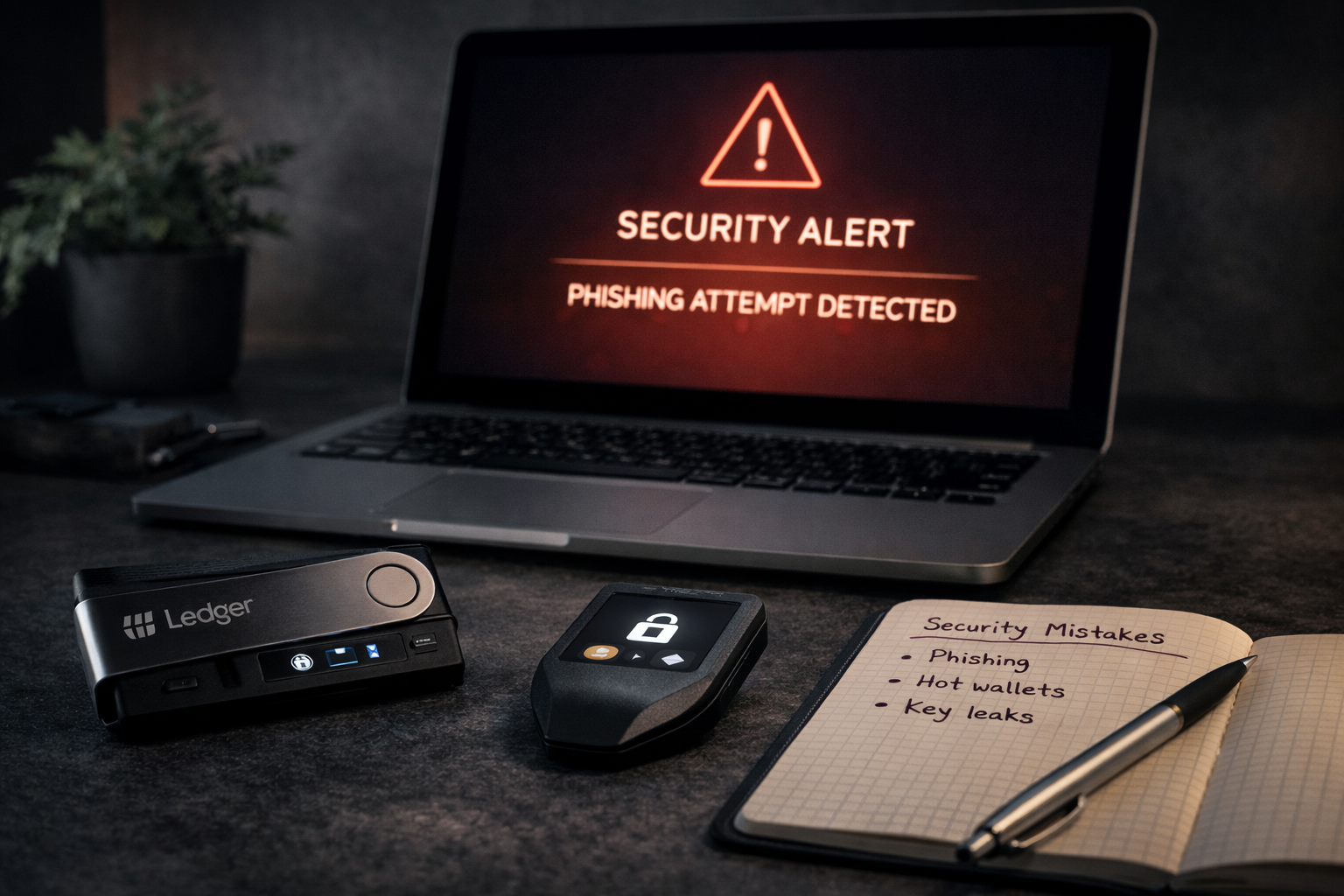
- phishing awareness
Even the best hardware wallets cannot protect against:
- compromised backups
- social engineering
- incorrect transaction approvals
Conclusion
The best hardware wallets comparison reveals that security is not defined by a single feature but by a combination of architecture, usability, and operational discipline.
The choice between Ledger vs alternatives ultimately depends on your priorities:
- hardware-based protection vs transparency
- convenience vs isolation
- simplicity vs control
Understanding these trade-offs allows users to make informed decisions aligned with their risk profile.
Further Reading
To better understand how wallets interact with blockchain activity:
👉 What On-Chain Activity Really Tells Us About Network Usage
FAQ
What is the best hardware wallet in 2026?
There is no single best device. The right choice depends on your security needs and experience level.
Is Ledger safer than Trezor?
Ledger offers stronger hardware protection, while Trezor provides more transparency through open-source design.
Are hardware wallets completely secure?
No. They significantly reduce risk but cannot protect against poor key management or user mistakes.