7 Critical Crypto Security Mistakes That Cost Investors Millions
Security failures in crypto rarely come from highly sophisticated exploits. In most cases, losses result from avoidable crypto security mistakes that compromise private keys, transaction validation, or wallet management.
Multiple documented incidents across the ecosystem—including exchange breaches, phishing campaigns, and wallet compromises—have resulted in losses amounting to millions of dollars over time.
Unlike traditional finance, blockchain transactions are irreversible. Once funds are lost, recovery is generally not possible. This makes security a core responsibility of the user, not an optional layer.
This article analyzes the most common crypto security mistakes, focusing on underlying mechanisms rather than isolated events.
While attack methods evolve, the underlying causes of most crypto security mistakes remain consistent over time.
According to research from Chainalysis, a significant portion of crypto-related losses originates from scams and user-level security failures rather than protocol vulnerabilities.
Mismanaging Private Keys
Private keys represent ownership in blockchain systems.
A common crypto security mistake includes:
- storing keys in plain text
- saving them in cloud storage
- exposing them through compromised devices
Once a private key is leaked, control over the associated funds is permanently lost.
Storing Seed Phrases Insecurely
Seed phrases are often the weakest point in crypto security.
Common failures include:
- storing seed phrases as screenshots
- keeping them in email drafts
- saving them in unsecured digital environments
These practices expose users to both digital attacks and physical compromise.
Using Hot Wallets for Long-Term Storage
Hot wallets provide convenience but introduce constant exposure to online threats.
Keeping significant funds in hot wallets increases risk from:
- malware
- browser exploits
- phishing attacks
This is one of the most widespread crypto security risks, particularly among new users.
Blind Transaction Signing
A critical blockchain security mistake is approving transactions without verification.
Users often fail to review:
- smart contract permissions
- token approvals
- destination addresses
This can lead to:
- wallet draining via malicious contracts
- unauthorized token transfers
Understanding transaction data is essential for avoiding these risks.
Falling for Phishing Attacks
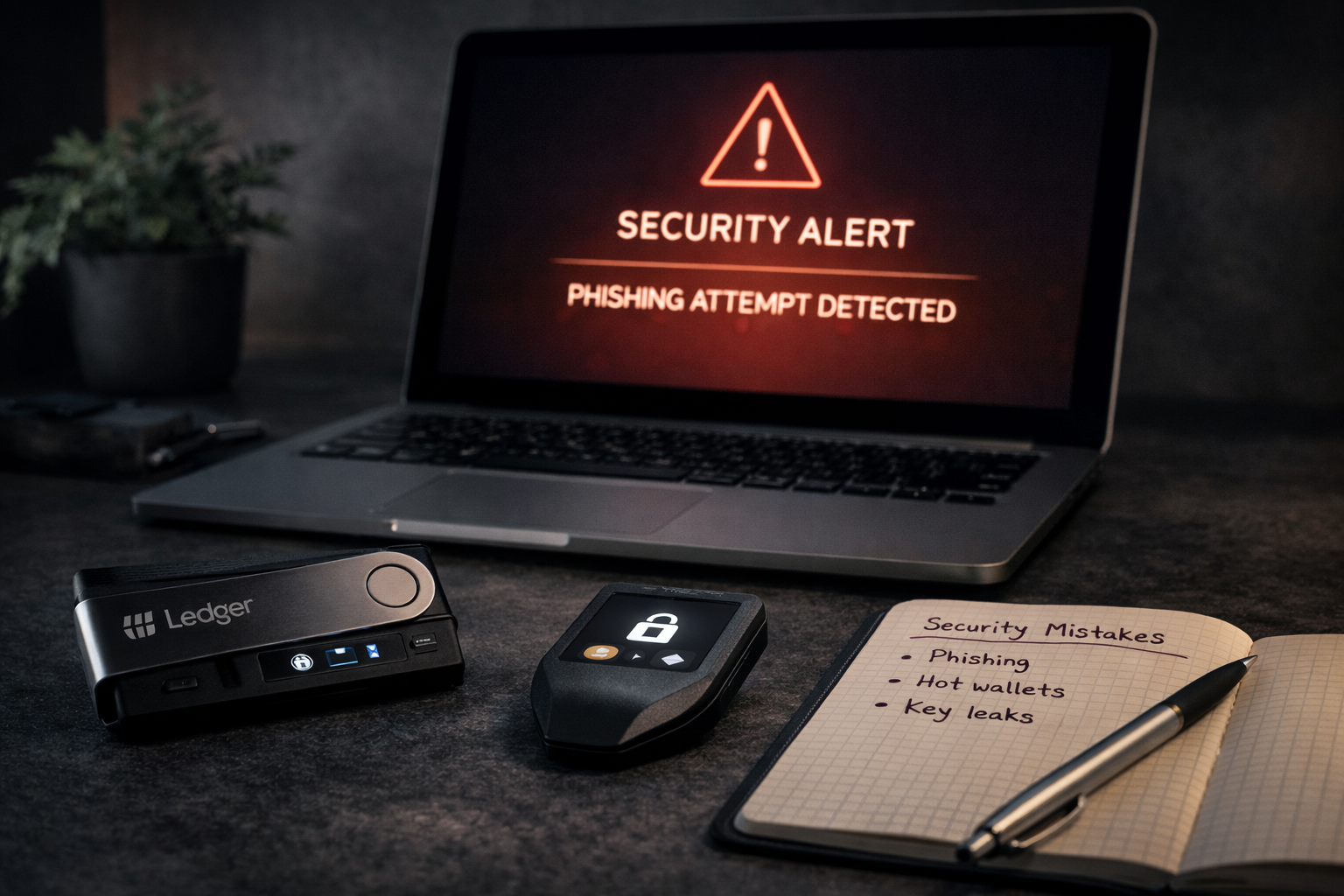
Phishing remains one of the most effective attack vectors in crypto.
Common methods include:
- fake wallet interfaces
- impersonated support teams
- malicious links in emails or social platforms
Recent phishing strategies increasingly rely on social engineering via Discord, Telegram, and fake browser extensions, making user vigilance a critical defense layer.
Poor Operational Security (OpSec)
Security in crypto is deeply tied to user behavior.
Weak operational security includes:
- password reuse
- exposing wallet information publicly
- connecting wallets to unknown or unverified applications
These practices significantly increase vulnerability to attacks.
Ignoring Hardware Wallet Security
Not using hardware wallets is itself a major crypto security mistake, especially for long-term storage.
Hardware wallets:
- isolate private keys from internet-connected environments
- reduce exposure to remote attacks
- enforce transaction validation at the device level
However, they do not eliminate all risks.
Improper seed storage, supply chain compromise, or poor user practices can still lead to irreversible loss.
For a deeper understanding of secure key management and device-level protection, see our guide on “Best Hardware Wallets Compared: Ledger vs Alternatives for Secure Crypto Storage”.
Tool Spotlight
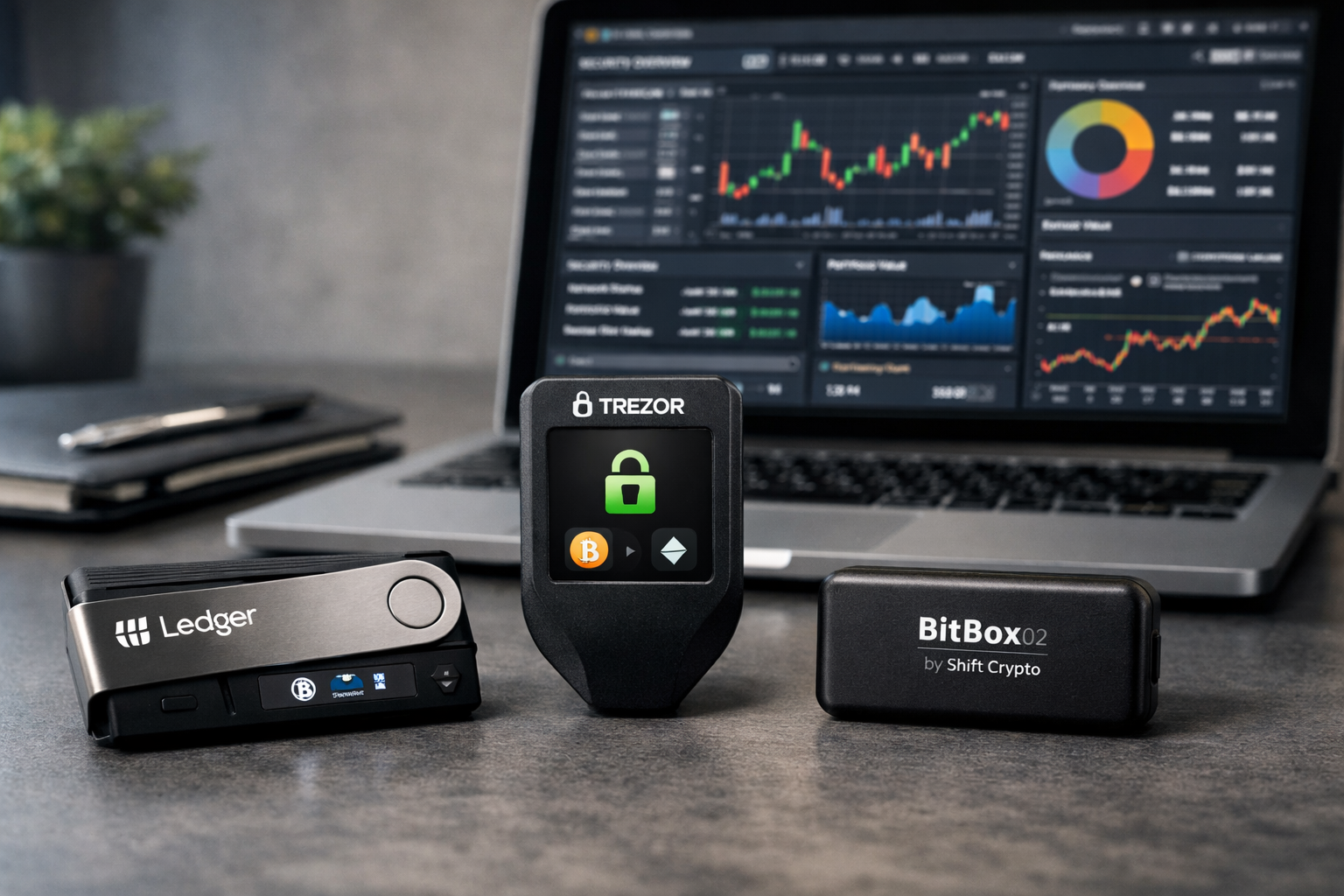
Ledger
Among tools designed to mitigate crypto security mistakes, Ledger provides a structured approach to secure private key management.
Ledger devices offer:
- secure element-based storage
- offline transaction signing
- integration with asset management interfaces
These features help reduce exposure to online attack vectors by isolating sensitive operations from internet-connected environments.
However, like any security tool, hardware wallets must be integrated into a broader security strategy. Improper usage or weak backup practices can still result in permanent loss.
Advanced Insight: Security Is Primarily Behavioral
Contrary to common assumptions, most crypto losses are not caused by advanced protocol exploits.
They are primarily the result of:
- human error
- poor security practices
- misunderstanding of blockchain mechanics
This leads to a key insight:
Crypto security is fundamentally behavioral.
Even the most secure tools cannot compensate for unsafe practices.
Common Mistakes Summary
The most impactful crypto security mistakes include:
- poor private key management
- insecure seed phrase storage
- blind transaction approvals
- excessive reliance on hot wallets
- weak operational discipline
These issues are preventable but require awareness and consistent execution.
Conclusion
Understanding crypto security mistakes is essential for anyone interacting with blockchain systems.
Losses are rarely caused by complex technical failures. Instead, they result from avoidable errors in key management, transaction validation, and user behavior.
By adopting structured security practices and using appropriate tools, users can significantly reduce their exposure to risk.
For a deeper understanding of how blockchain activity interacts with wallet behavior, see our guide on “What On-Chain Activity Really Tells Us About Network Usage?”.
FAQ
What are the most common crypto security mistakes?
They include exposing private keys, insecure seed storage, and approving malicious transactions.
Are hardware wallets necessary?
They are not mandatory but significantly improve security when used correctly.
Can lost crypto be recovered?
In most cases, no. Blockchain transactions are irreversible, making prevention essential.