Best Hardware Wallets Compared: Ledger vs Alternatives for Secure Crypto Storage
Choosing among the best hardware wallets is not simply a matter of brand preference—it is a decision that directly impacts private key security, transaction verification, and long-term asset protection.
Unlike software wallets or custodial platforms, hardware wallets isolate private keys from internet-connected environments, reducing exposure to remote attacks. However, not all devices implement security in the same way.
This guide compares the best hardware wallets, focusing on Ledger vs alternatives, to understand how different architectures handle:
- private key storage
- transaction signing
- firmware security
- supply chain risks
Rather than ranking products based on popularity, this analysis examines the mechanisms behind their security models, helping users make informed decisions based on real risk factors.
What Defines a Hardware Wallet
A hardware wallet is a physical device designed to store private keys in an isolated environment.
Unlike hot wallets:
- keys never leave the device
- signing occurs offline
- exposure to malware is minimized
The core principle is simple: separate key storage from internet access.
However, implementation details—such as firmware design and chip architecture—can significantly affect security.
Security Architecture: Ledger vs Alternatives
The debate around Ledger vs alternatives centers on two main approaches:
Secure Element-Based Design (Ledger)
Devices from Ledger use a secure element chip, similar to those found in payment cards.
Key characteristics:
- certified tamper-resistant hardware
- restricted firmware environment
- closed-source components
This design prioritizes physical attack resistance, making it difficult to extract private keys even with direct device access.
Open Hardware Approach (Alternatives)
Competitors such as Trezor and Shift Crypto adopt a different philosophy.
Key characteristics:
- open-source firmware
- transparent architecture
- reliance on general-purpose chips
This approach emphasizes auditability and transparency, allowing the community to verify security assumptions.
Trade-Off Summary
- Secure elements → stronger physical security, less transparency
- Open hardware → more transparency, potentially lower physical resistance
Understanding this trade-off is essential when evaluating the best hardware wallets.
Comparison of the Best Hardware Wallets
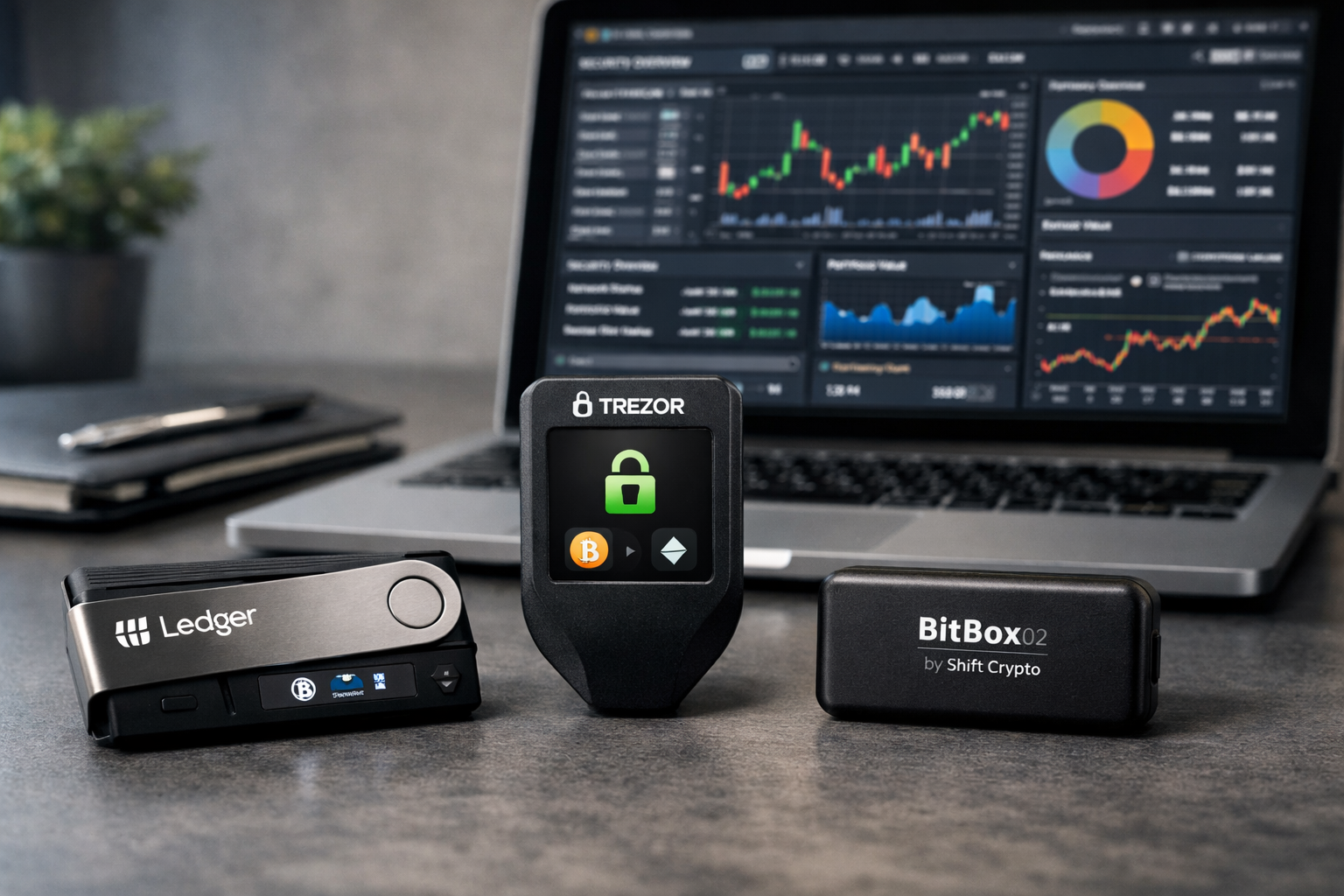
Ledger Nano X / Nano S Plus
- secure element chip
- Bluetooth support (Nano X)
- broad asset compatibility
- proprietary firmware
Ledger devices are widely used due to their balance between usability and security.
Trezor Safe 5 / Safe 7
- open-source firmware
- improved hardware security model
- support for modern asset management
- transparent architecture
Trezor continues to prioritize open-source security and auditability, allowing users and researchers to verify how private keys are handled.
Compared to earlier models, newer devices such as the Safe series aim to improve physical security while maintaining transparency, addressing one of the historical trade-offs between open hardware and secure elements.
BitBox02
- minimalist design
- open-source firmware
- microSD backup system
BitBox focuses on simplicity and secure backup mechanisms.
Coldcard
- Bitcoin-only device
- air-gapped transaction signing
- advanced security features
Coldcard is designed for users prioritizing maximum isolation.
Keystone
- fully air-gapped design
- QR-based transaction signing
- no USB connectivity
Keystone eliminates cable-based attack vectors entirely.
Key Differences in Private Key Management
Across the best hardware wallets, key management differs in critical ways:
Seed Generation
Some devices generate seeds internally, while others allow external entropy input.
Backup Methods
- standard seed phrase
- encrypted backups (e.g., microSD)
- multi-signature setups
Passphrase Support
Adding a passphrase creates an additional layer of security, effectively generating hidden wallets.
Common Security Trade-Offs
When comparing crypto hardware wallets, several trade-offs emerge:
Convenience vs Isolation
Bluetooth and USB connectivity improve usability but increase potential attack surfaces.
Transparency vs Tamper Resistance
Open-source designs allow verification but may lack specialized secure hardware.
Simplicity vs Advanced Features
More features can introduce complexity, which may increase user error risk.
Tool Spotlight
Ledger
Among the best hardware wallets, Ledger provides a widely adopted ecosystem combining hardware security with software integration.
Ledger devices offer:
- secure element-based key storage
- integration with Ledger Live
- support for multiple blockchains
For users managing diverse crypto portfolios, this ecosystem provides a structured way to interact with assets while maintaining offline key storage.
Importantly, the value of such tools lies not in branding, but in how effectively they implement secure transaction signing and key isolation.
Advanced Insight: Security Is a System, Not a Device
Focusing only on hardware wallets can be misleading.
Security depends on a broader system that includes:
- seed phrase storage
- user behavior
- transaction verification practices
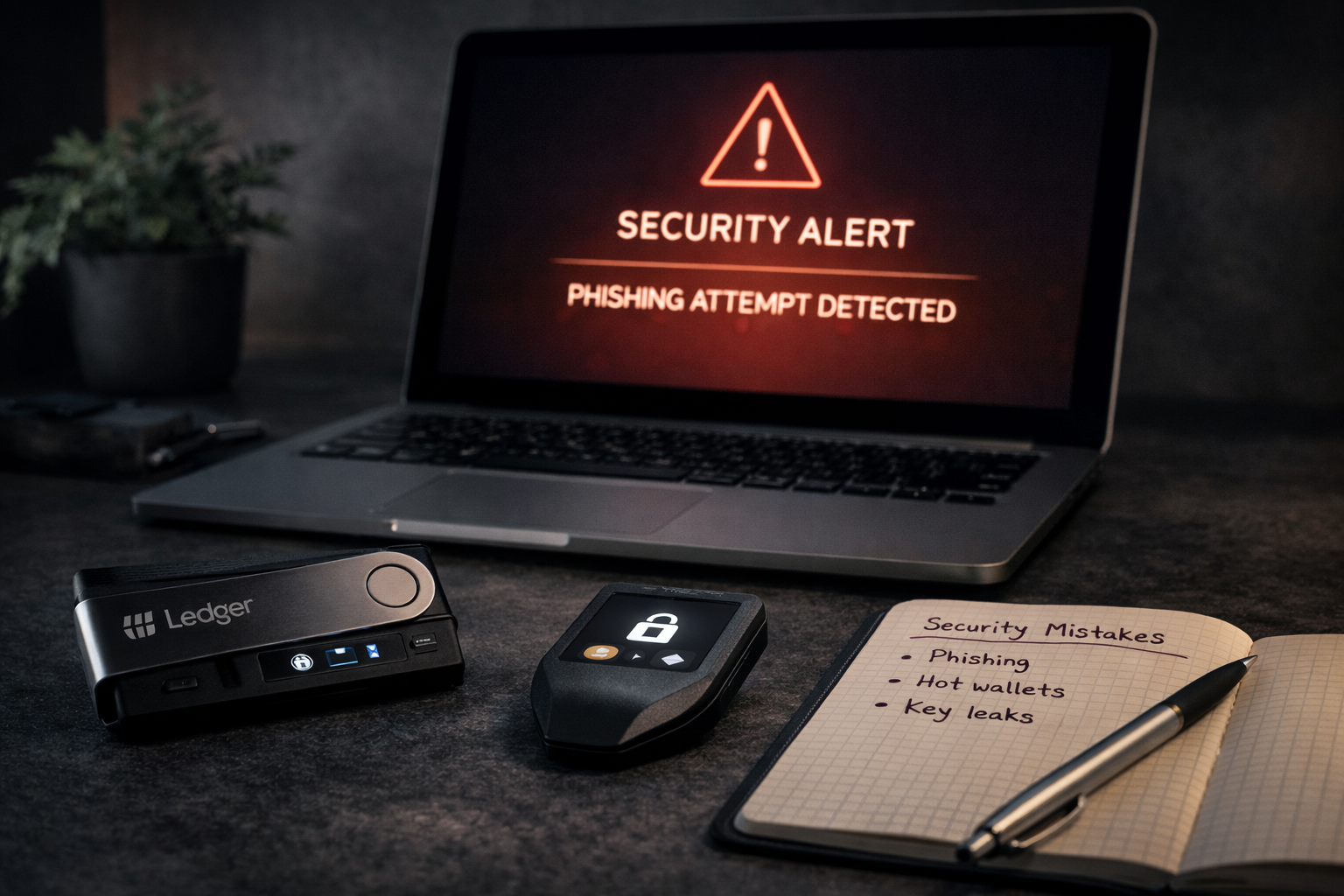
- phishing resistance
Even the best hardware wallets cannot protect against:
- compromised seed backups
- social engineering
- incorrect transaction approvals
Effective security requires combining hardware protection with operational discipline.
Conclusion
Choosing among the best hardware wallets requires understanding the underlying trade-offs between security models, transparency, and usability.
The comparison between Ledger vs alternatives highlights a fundamental divide in design philosophy: hardware-based protection versus open-source verifiability.
Rather than searching for a universally “best” device, users should select a wallet aligned with their risk model, technical knowledge, and usage patterns.
For a deeper understanding of how blockchain activity interacts with wallet behavior, see our guide on What On-Chain Activity Really Tells Us About Network Usage?
FAQ
What is the safest hardware wallet?
There is no single safest device. Security depends on how the wallet is used, how backups are stored, and the user’s operational practices.
Is Ledger better than Trezor?
Ledger and Trezor use different security models. Ledger focuses on secure hardware, while Trezor emphasizes transparency and open-source design.
Are hardware wallets completely safe?
No. They significantly reduce risk but cannot protect against poor key management or user mistakes.